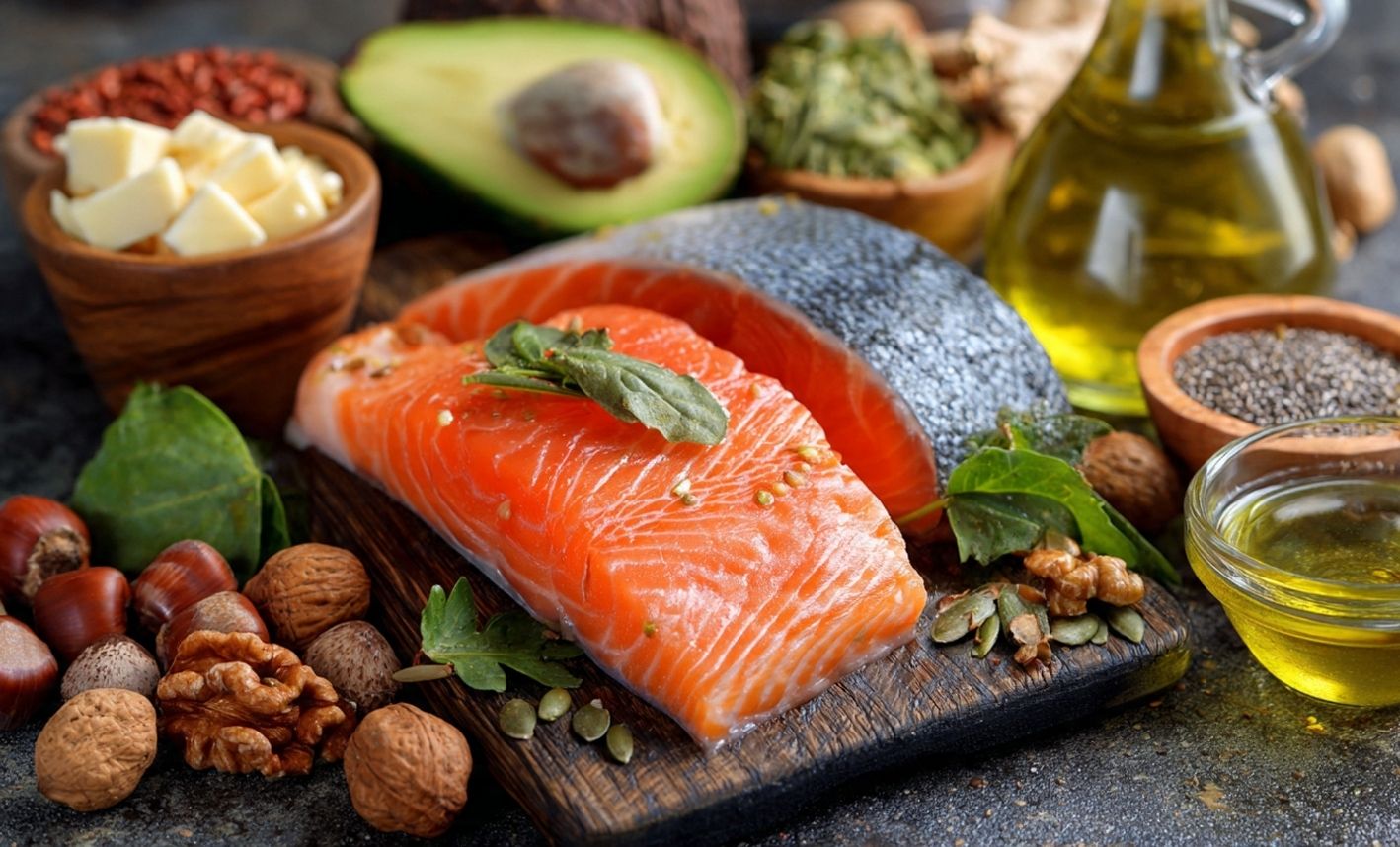
Imagine fat as a fire. It can be a good servant—providing warmth, energy, and light. But if it gets out of control, it becomes a terrible master, burning and destroying everything in its path. It's exactly the same with fats in your dog's diet. For decades, we were taught to fear fats, but the truth is much more complex. The right kinds and ratios of fats are one of the most important pillars of your dog's health.
Let's take a look under the hood together and uncover why common kibble often falls short and how you can achieve huge results with a simple change.
The Great Divide: The Crucial Duel Between Omega-6 and Omega-3
To understand fats, we need to know the two main players: Omega-6 and Omega-3 fatty acids. Both are essential for life, but they act as polar opposites.
- Omega-6 (The Gas Pedal): These acids promote an inflammatory response. Sounds bad? Not entirely. Acute inflammation is a vital immune system response to injury or infection. The problem arises when the "gas pedal" is constantly pushed to the floor.
- Omega-3 (The Brake): These acids, especially the well-known EPA and DHA, are strongly anti-inflammatory. They calm the immune system and keep inflammatory processes in check.
And here lies the biggest problem with modern dog food. The wild ancestors of dogs consumed prey whose fat contained an Omega-6 to Omega-3 ratio of about 4:1. Today's industrially produced pet foods, based on grains and cheap vegetable oils (sunflower, corn), often have a ratio as high as 30:1!
What does this mean in practice? Your dog is essentially in a constant, low-grade pro-inflammatory state. Its body is always accelerating without enough braking power. This chronic inflammation is the silent trigger for many modern diseases: allergies, itchy skin, arthritis, heart problems, and even some types of cancer.
The Hidden Truth in the Kibble Bag: What Happens to Fat Before It Reaches the Bowl?
You might be thinking, "But the label on my dog's food says it contains fats." Yes, but the real questions are what kind and in what condition.
- Source and Processing: Most fats in kibble come from rendering plants, where animal by-products are processed. This fat is cooked at extreme temperatures, which destroys its nutritional value and can create harmful substances.
- Chemical Preservation: To prevent the fat sprayed on kibble from going rancid, it must be stabilized. This is often done with synthetic preservatives like BHA, BHT, or ethoxyquin—substances that are being phased out of human food due to concerns about their carcinogenic effects.
- Oxidation—The Silent Enemy: The biggest problem occurs after the bag is opened. The fat on the surface of the kibble is exposed to air and light and begins to oxidize (go rancid). This creates free radicals—aggressive molecules that damage cells in your dog's body and deplete its supply of antioxidants (like vitamins E and C). With every meal, your dog gets a dose of substances that put a strain on its body.
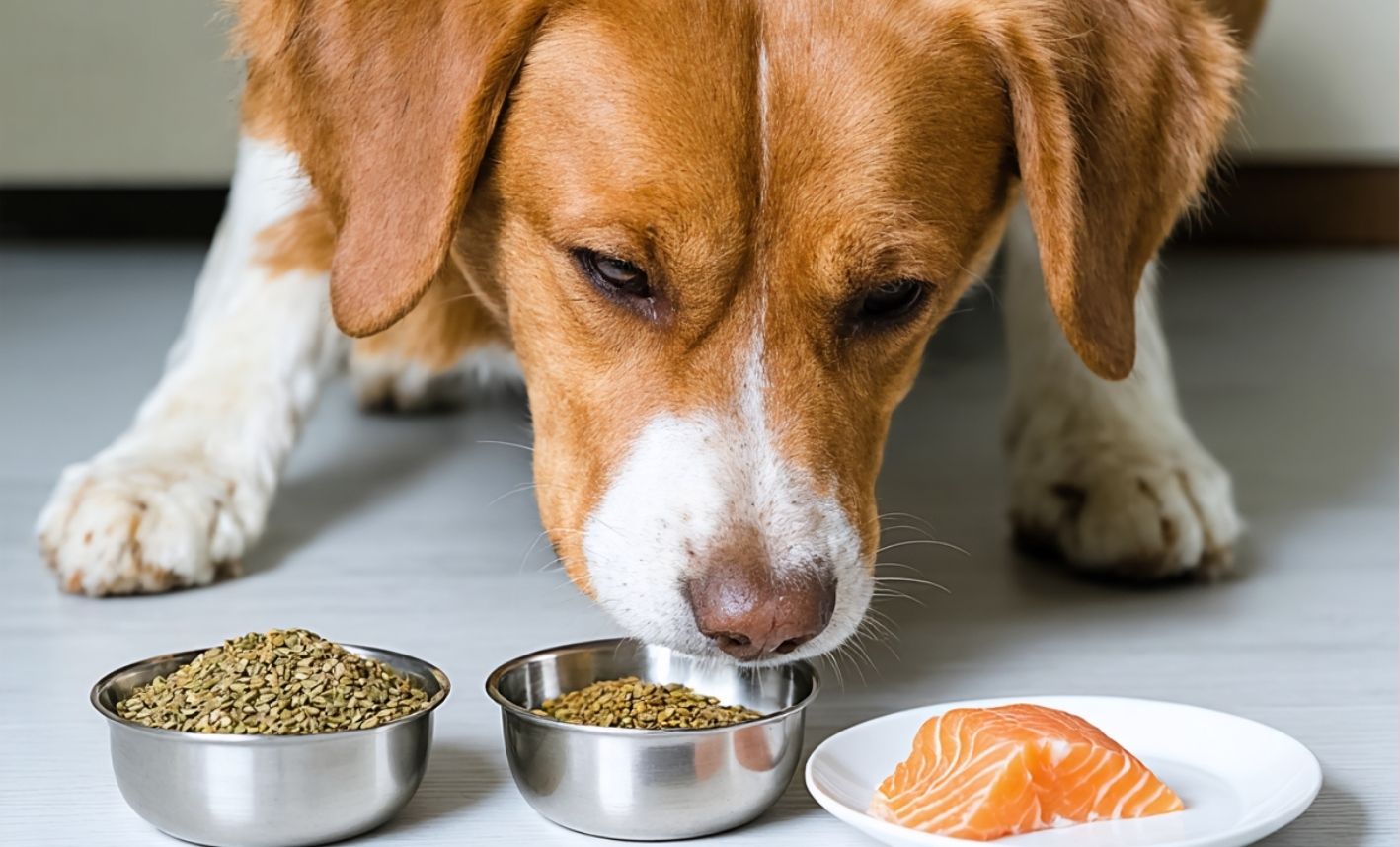
The Game-Changing Detail: Why Flaxseed Oil Isn't Enough
Many owners trying to improve their dog's diet add flaxseed oil. It's a good step, but there's a crucial catch. Plant-based oils (flax, hemp) contain Omega-3 in the form of alpha-linolenic acid (ALA).
Dogs (and cats even more so) have a very limited ability to convert this plant-based ALA into the directly usable, anti-inflammatory forms of EPA and DHA.
It's like giving a carpenter logs (ALA) and asking him to build a house. What he really needs are beams and planks (EPA and DHA). A dog's body can only "cut" a tiny amount from the logs. That's why it's critical to supply EPA and DHA directly.
So, How Do You Properly Supplement What's Missing?
The path to health lies in supplementing with high-quality, bioavailable fats that balance the ratio and provide the body with ready-to-use "building blocks."
1. Power from the Deep – Microalgae as a Pure Source of DHA and EPA: Fish are rich in EPA and DHA because they eat microalgae. We go straight to the source. Supplements with marine microalgae are the purest, safest, and most sustainable way to give your dog exactly what its brain, eyes, and immune system need to fight inflammation—without the risk of heavy metals or devastating our oceans.
2. The Wholesome Power of Seeds: Why Seed Meals are Better Than Just Oil: Many owners add vegetable oils like flaxseed to their dog's diet. While this is a step in the right direction, we decided to go further and harness the power of seeds in their more complete and natural form.
Instead of extracted oils, we use ground expeller pressings (or seed meals) from flax, evening primrose, and hemp seeds in our supplements. What does this mean? It's the nutrient-dense, solid part of the seed that remains after a portion of the oil has been gently cold-pressed.
This approach has two huge advantages:
- Valuable Oils Remain: The pressings still contain a significant amount of the original, high-quality oil, including the precious gamma-linolenic acid (GLA) from evening primrose, which has proven benefits for skin health and coat quality.
- The Polyphenol Bonus: This is key—these pressings retain a huge amount of fiber and, most importantly, polyphenols, which you won't find in the pure oil.
What are Polyphenols (Phytophenols)? Think of them as the plant's personal bodyguards and healers. They are powerful plant-based antioxidants that protect the seed from stress, pests, and UV radiation. They function similarly in a dog's body, acting as an army that neutralizes harmful free radicals (like those from rancid fats in kibble) and possessing their own anti-inflammatory properties. This perfectly complements and enhances the effects of Omega-3 fatty acids.
By choosing this form, you're giving your dog not only beneficial fats but also their natural protective and healing partners. It's the holistic approach that nature intended.
3. A Superfood from the Nest – The Power of Egg Yolk: Let's not forget the treasures nature provides. Egg yolk is a true nutritional powerhouse. Our Essence product uses dried egg yolks as a concentrated source of highly digestible fats, lecithin (for brain and liver health), vitamins, and minerals. It's the perfect way to naturally enrich any meal.
In Conclusion
The quality of fats in your dog's diet isn't just a detail—it's the absolute foundation of their long-term health. Moving beyond a reliance on unstable and often low-quality fats in kibble and actively supplementing them is an investment that will pay you back many times over in the form of vitality, a beautiful coat, and fewer trips to the vet.
If you want to put this theory into practice with verified and carefully formulated ingredients, explore our line of Skin & Coat supplements or the nutritional powerhouse Essence. They are designed to give your dog exactly what's most often missing from their bowl.
Author: Lenka Martens Zachová